Physical Address
Ottawa ,ON, Canada
Physical Address
Ottawa ,ON, Canada
Learn how to use GPT-5 for work in 2026. Explore real use cases, ROI benchmarks, workflows, and implementation strategies for teams.
GPT-5 is rapidly becoming one of the most impactful AI tools for modern teams. From research and content production to coding assistance and operational automation, organizations are adopting GPT-5 to improve productivity, reduce manual work, and scale faster.
This guide explains how to use GPT-5 for work, including practical use cases, ROI expectations, performance benchmarks, and a step-by-step 14-day rollout plan for teams.
GPT-5 for work is increasingly used across industries for research, automation, and operational workflows.
According to OpenAI, modern large language models like GPT-5 are designed to support enterprise workflows, structured automation, and advanced reasoning tasks across industries.
GPT-5 excels at:
✔ long-form reasoning
✔ document workflows
✔ structured automation
✔ coding assistance
✔ enterprise use cases
Compared with earlier models, GPT-5 delivers:
👉 Check the AI Chatbots for Customer Service Post Here
Use GPT-5 for:
✔ summarizing reports
✔ competitor research
✔ trend analysis
👉 huge time savings.
Common workflows:
✔ SOP writing
✔ proposals
✔ technical docs
✔ emails
GPT-5 supports:
✔ debugging
✔ code generation
✔ DevOps scripting
👉 strong dev productivity.
Use for:
✔ ticket triage
✔ reporting automation
✔ workflow orchestration
| Function | Time Saved | ROI Impact |
|---|---|---|
| Research | 60% faster | high |
| Documentation | 50% faster | high |
| Coding | 30% faster | medium |
| Support ops | 40% faster | high |
Recent enterprise adoption trends reported by McKinsey show that AI deployment significantly improves productivity and operational efficiency across teams. The ROI of GPT-5 for work becomes clear when workflows are standardized.
| Model | Strength | Weakness |
|---|---|---|
| GPT-5 | reasoning | cost |
| Claude | long docs | slower output |
| Gemini | multimodal | consistency |
Write about:
✔ consulting firm
✔ research automation
✔ reporting workflows
✔ identify workflows
✔ pilot team rollout
✔ define prompts
✔ automation setup
✔ KPI tracking
✔ optimization loop
✔ standardize prompts
✔ use templates
✔ integrate workflows
✔ hallucinations
✔ privacy concerns
✔ workflow dependency
GPT-5 is one of the most versatile tools for professional workflows. Teams that deploy structured systems see the biggest ROI. Overall, GPT-5 for work remains one of the most powerful productivity tools available today.
GPT-5 is used for research automation, documentation, coding assistance, reporting, and operational workflows. Teams typically deploy GPT-5 to reduce manual work, improve productivity, and standardize processes across departments.
Yes. GPT-5 delivers strong ROI for teams handling research, writing, coding, and customer operations. Most organizations see measurable productivity gains within the first few weeks of structured implementation.
GPT-5 performs best in structured workflows, reasoning-heavy tasks, and automation setups. Models like Claude are strong for long documents, while Gemini performs well for multimodal use cases, but GPT-5 remains the most versatile for business environments.
Common use cases include research and analysis, content production, coding and debugging, ticket automation, and reporting workflows. These areas typically deliver the highest ROI.
Costs vary depending on usage, integrations, and deployment scale. Small teams often spend modest monthly amounts, while enterprise deployments scale based on workflow automation and API consumption.
GPT-5 delivers strong results in technology, consulting, finance, SaaS, and marketing organizations, where documentation, analysis, and automation workflows are critical.
Key limitations include occasional hallucinations, dependency on structured prompts, and privacy considerations when handling sensitive data. Proper governance and workflows reduce these risks.
Most teams can deploy GPT-5 in 2–4 weeks using a structured rollout plan that includes workflow identification, prompt standardization, and KPI tracking.
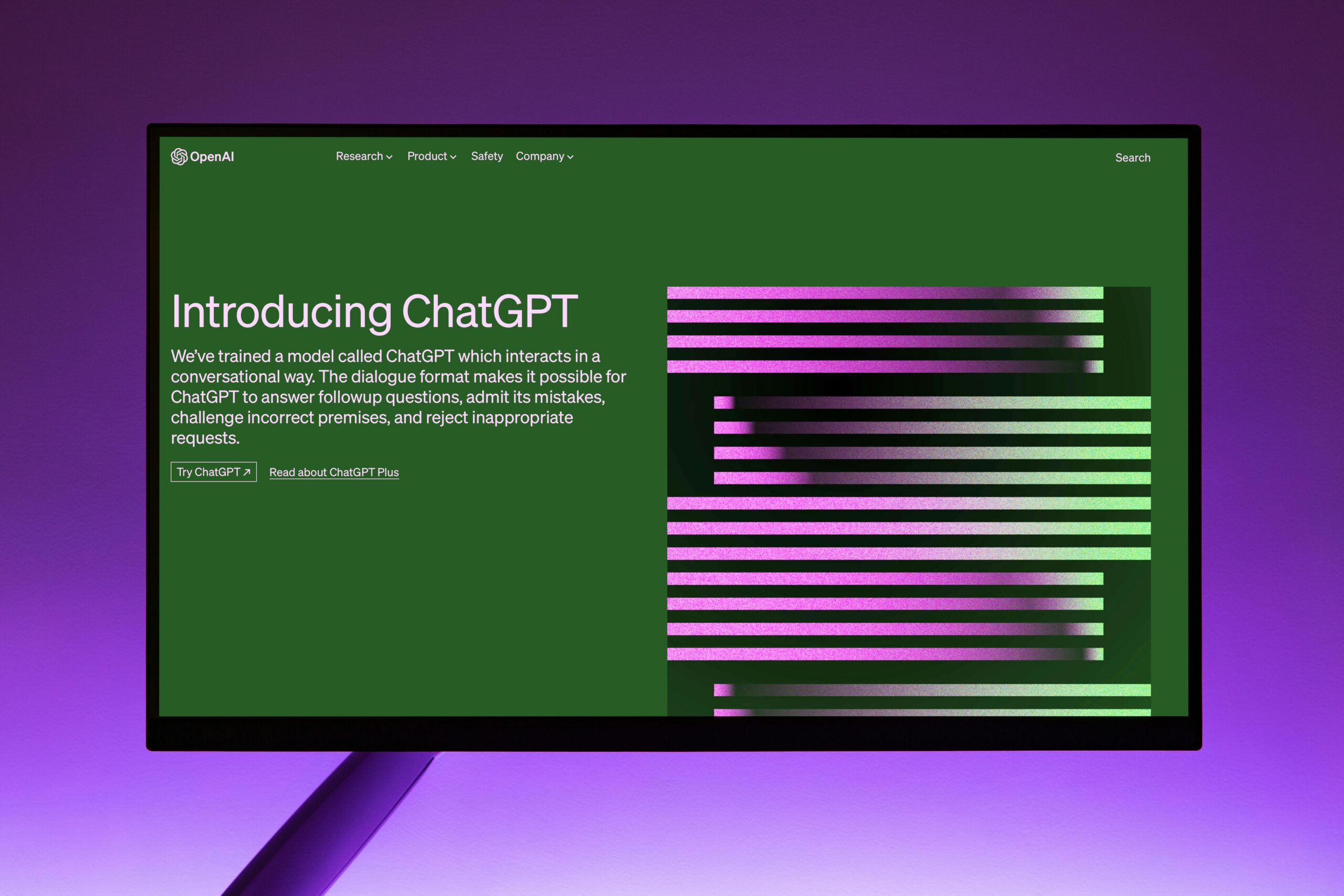
Image credit: Photo by Mati Mango on Pexels.