Physical Address
Ottawa ,ON, Canada
Physical Address
Ottawa ,ON, Canada

Modern teams rely on research to support content creation, strategy planning, and decision-making. In 2026, building an efficient AI research workflow is essential for scaling analysis while maintaining accuracy and speed.
An effective AI research workflow combines structured processes, automation tools, and human oversight. This guide explains how marketing teams, agencies, and technology organizations use AI-powered workflows to streamline research operations.
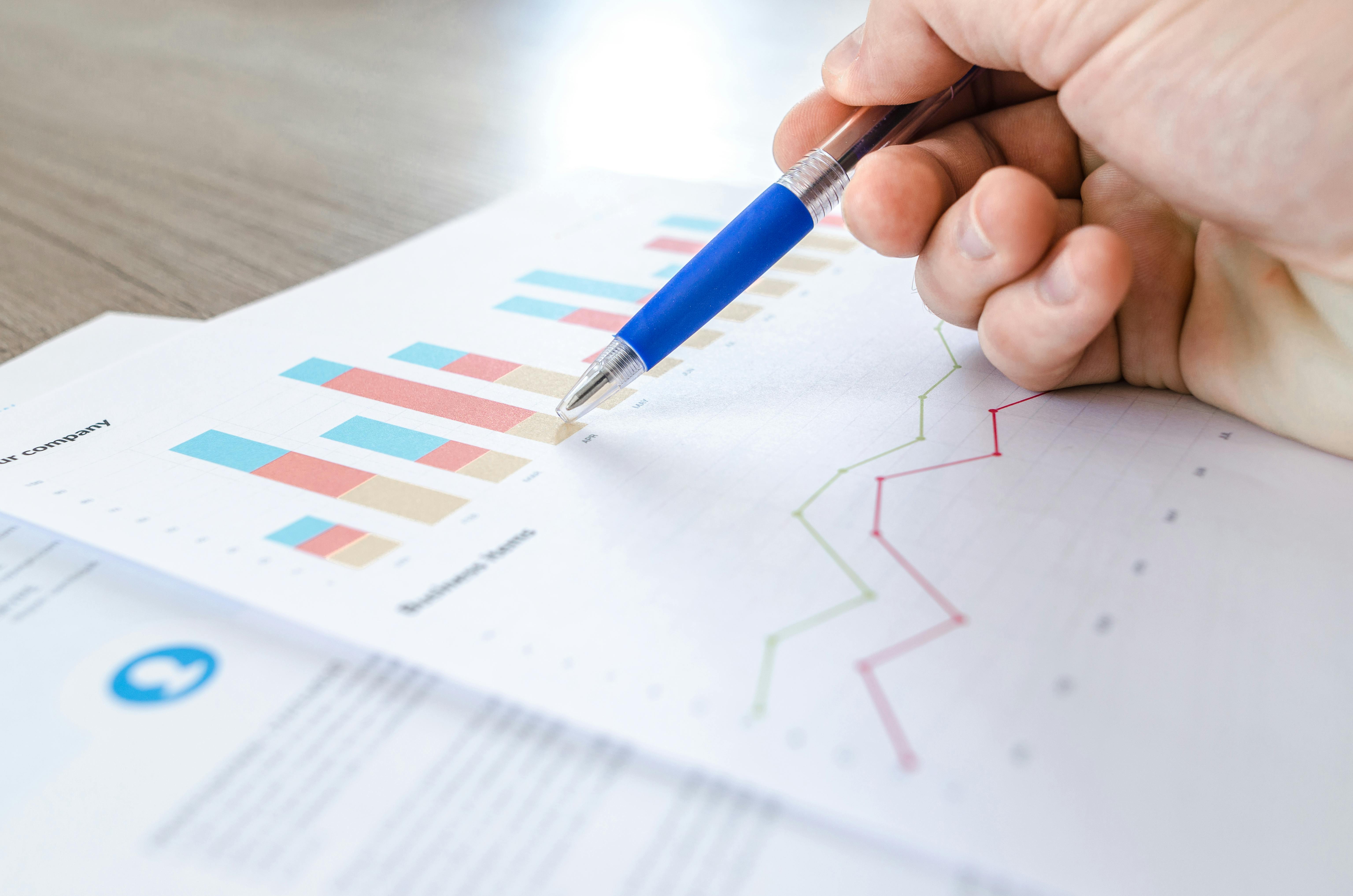
An AI research workflow is a structured process that integrates artificial intelligence tools into information gathering, analysis, summarization, and reporting stages. Instead of relying on manual research alone, teams use AI-driven workflows to accelerate insights and improve efficiency.
Many organizations combine structured research systems with workflows like our AI content workflow guide to support scalable content and decision-making strategies.
| Category | Tools | Purpose |
|---|---|---|
| Discovery | Perplexity, Google Scholar | research sourcing |
| Analysis | GPT-based tools | summarization |
| Organization | Notion, Obsidian | knowledge management |
| Reporting | Docs, Slides | communication |
Platforms like Perplexity and Notion support scalable research workflows across teams.
Teams begin by identifying research objectives, target questions, and expected outputs.
AI research tools accelerate discovery across reports, journals, and datasets.
AI systems help identify patterns, summarize insights, and organize findings.
Teams convert insights into structured reports and presentations.

AI workflows support keyword research and competitive analysis.
Organizations use structured research to support product development.
AI enables rapid insights for client reporting.
An AI research workflow helps teams scale insight generation, improve decision-making, and reduce manual effort. Organizations combining structured systems with automation consistently achieve better results.
👉 Explore our Platform Guide for complete workflow frameworks.
An AI research workflow integrates automation tools into data collection, analysis, and reporting processes.
Teams use AI to accelerate sourcing, summarization, and insight generation.
Yes. Most organizations see faster insights and improved efficiency.